How to Trade Meme Coins Like a Top Solana Trader Without Blowing Up Your Account
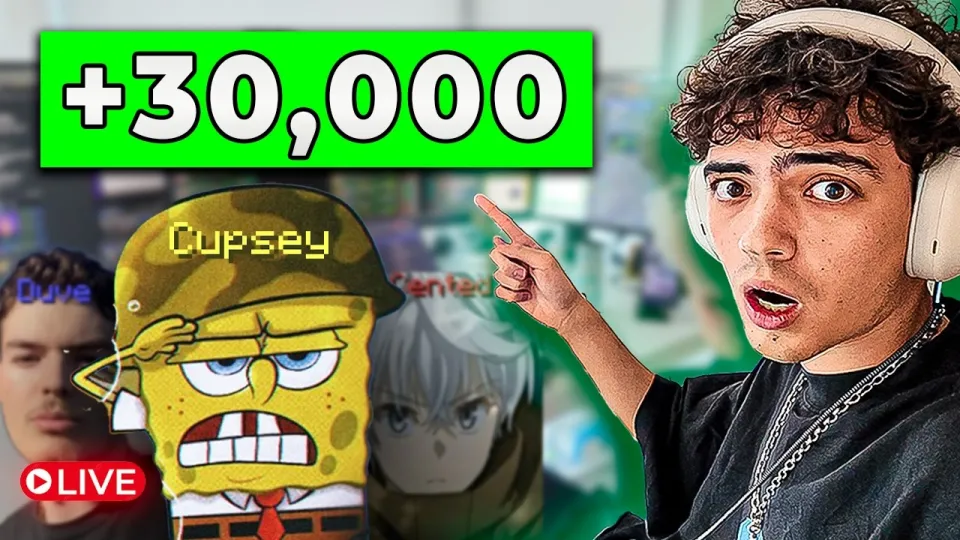
Video: I Traded With The World’s #1 Memecoin Trader
You can order the same kind of articles for your own video to boost it on YouTube and Google. Just message the Telegram bot @sat_sit_bot. Articles with your video embedded are written and posted by the bot itself — on popular topical sites (no ads). Your first 50 articles are free.
· based on the channel Ethan Prosper
Meme coin trading is the practice of buying and selling tokens whose value comes from community attention rather than cash flow, and doing it well means treating speed, wallet data and position sizing as one system rather than chasing charts. The short answer: pick a terminal you can execute fast on, track the wallets that consistently lead moves, size every entry so a total loss costs you a fraction of the bankroll, and accept that most launches go to zero. A live session between Ethan Prosper and a guest trader on the Padre trading terminal shows what that looks like in practice, including the parts most guides skip.
What a real meme coin session actually looks like
A profitable meme coin session is a sequence of small, fast decisions on brand-new Solana pairs, not one big conviction bet. In the video, the two traders move through a handful of launches in under fifteen minutes of screen time: Lobo and 1% early on, then Cheese Coin and an AI-cook themed token, an Elon/Grok bot coin, a Magic Internet Money dev play and Mosaic AI. Reported results swing from roughly +200 SOL on the opening trades to about +80 SOL on Mosaic and around $15K on the Grok-themed token.
What matters is not the numbers but the cadence. Each trade follows the same loop: scan new pairs, check who is buying, check what the developer holds, enter small, and exit on a pre-set target or a broken thesis. The guest trader's wallet (2fg5QD1eD7rzNNCsvnhmXFm5hqNgwTTG8p7kQ6f3rx6f) and the host's wallet (sAdNbe1cKNMDqDsa4npB3TfL62T14uAo2MsUQfLvzLT) are public, which is itself a lesson: on Solana, anyone can audit your history, and anyone can watch you in real time.
The tools and the workflow behind fast entries
Speed is a tooling problem before it is a skill problem. Traders at this level use terminals built for new Solana pairs — Padre, Axiom and similar aggregators — because they combine charting, wallet tracking, dev-holding checks and one-click execution in a single window. Pump.fun is usually where the pair is born; the terminal is where it gets traded.
A workable workflow looks like this:
- Filter the launch stream by liquidity, holder count and age rather than by ticker names that look funny.
- Pull up the top holders and the developer wallet. If one wallet holds a large slice and has a history of dumping, skip it.
- Check whether known profitable wallets are buying or already selling into strength.
- Enter with a fixed size, set a mental invalidation level before the buy fills, and take partials on the first vertical candle.
- Log the result with the reason for entry, so patterns become visible after a few hundred trades.
The video's own framing is honest about the cost: this is a 10+ hour-a-day routine on the most difficult style of trading available, and the traders doing it are competing with bots and each other for the same seconds.
How to read wallets instead of blindly copy trading
Copy trading meme coins fails when you copy the entry but not the exit. Public wallet trackers show you a buy the moment it lands, but by then the price has moved, and the trader you are following may be planning a 20-second scalp while you are planning to hold. The guest's edge in the session comes from knowing the dev, the community and the specific setup — context a tracker cannot transmit.
A more useful approach is to study wallets rather than mirror them. Pick three to five addresses with a long, verifiable history, then watch how they behave: how much they size relative to the pair's liquidity, whether they add on dips or only chase, how quickly they exit after a KOL mentions the token. That behavioural data is what you can actually reuse. The same applies to the 'multi-wallet' criticism viewers raise — large traders often spread positions across several addresses, so a single wallet's P&L understates the real exposure.
Position sizing and risk rules that keep you in the game
Survival on meme coins is a sizing discipline, not a prediction skill. A common failure pattern is full-porting the entire balance into one fresh pair because a well-known trader or KOL is visible in the holder list; when that trader distributes, the late buyer absorbs the loss. Treat any visible 'smart money' entry as information, not as a guarantee.
Practical rules that fit this style of trading:
- Risk no more than 1–2% of your bankroll on a single new pair, and assume the position can go to zero.
- Cap total exposure to fresh launches at a small share of the portfolio so a bad day cannot end the account.
- Scale out in tranches — for example a third at 2x, a third at 5x, and let the rest run with a trailing stop.
- Keep a separate, boring allocation in larger-cap tokens so your results are not decided by one launch.
- Track results in SOL terms, not in dollars, so you can tell skill apart from a rising market.
Common questions from traders watching this style
Viewers of sessions like this tend to ask the same things, and the answers are less glamorous than the P&L screenshots. 'Faucets' in this context usually refers to small, repeatable sources of income or free capital that traders use to fund experiments — airdrops, referral credits, test funds — not a strategy in itself. The 'how do I pick a coin to ape' question has no shortcut: the filter is dev holdings, holder distribution, community quality and whether known wallets are accumulating or distributing.
It is also worth saying plainly that the traders in the video are speed traders working new pairs all day, which is the hardest version of this game. You do not have to trade that way to make money in crypto. Slower styles — larger coins, swing setups, even plain spot accumulation — carry far less execution risk and do not require you to beat bots on a 30-second candle. Inspiration is fine; imitation of the routine without the infrastructure is how accounts die.
Useful links
- Padre trading terminal — registration and trading access
- Ethan Prosper — all links
- Guest trader on X
- SOLMAFIA free Discord
- Pastel paid Discord
Bottom line
The meme coin game rewards preparation and punishes size, which is why the traders who last are the ones treating it as a job with rules rather than a lottery ticket. The session reviewed here is a useful look at the mechanics — terminal speed, wallet tracking, dev checks, quick exits — but the transferable lesson is risk control, not the +200 SOL headline. If you want to see the workflow in motion, the video on the Ethan Prosper channel is the source for this breakdown, and the Padre terminal link is where the execution side happens. Start with small size, log every trade, and judge yourself over months rather than over one green screen.
Key takeaways
- A single live session covered trades on Lobo, 1%, Cheese Coin, an Elon/Grok-themed bot token, Magic Internet Money and Mosaic AI, with swings of roughly +200 SOL, +80 SOL and about $15K on one play.
- Top meme coin traders run 10+ hour sessions on new Solana pairs via terminals like Axiom and Padre, tracking wallets and dev behaviour in real time.
- Copy-trading a profitable wallet is not the same as copying its edge: entries, exits and size are invisible until the position is already moving.
- Most retail losses on meme coins come from full-porting into pairs that top wallets and KOLs are already distributing.
- Safer alternatives exist: larger-cap tokens, slower setups and strict per-trade risk limits instead of speed trading fresh launches.
Questions & answers
How much money do you need to start trading meme coins?
You can start with a very small balance, but the size should be set by your risk rule rather than by the minimum. If you risk 1–2% per trade, a 1 SOL bankroll means 0.01–0.02 SOL per position, which is barely enough to cover fees and slippage on Solana. Most traders find a few SOL is a more realistic starting point for learning execution without meaningful financial damage.
Is copy trading meme coins profitable?
Rarely on its own. Wallet trackers reveal a buy only after it executes, and they never show the target, the size relative to the trader's bankroll or the planned exit. Copying entries without copying exits usually means buying the top of someone else's scalp. Studying how profitable wallets behave is far more valuable than mirroring their trades.
What does 'faucets' mean in meme coin trading?
In this context it refers to small sources of free or cheap capital and credits — airdrops, referral rewards, test funds, terminal bonuses — that traders use to fund experiments without risking their main balance. They supplement a strategy; they are not one.
Do I have to trade new pairs all day to make money in crypto?
No. Speed trading fresh Solana launches is the most competitive and demanding style available, requiring long sessions, fast terminals and tolerance for frequent total losses. Larger-cap tokens, swing trading and simple spot accumulation are slower but far more forgiving, and they do not require beating bots on a 30-second candle.
Source: I Traded With The World’s #1 Memecoin Trader · Markdown version